

Achieving the perfect deviled egg is a culinary balancing act. For many, the rich, sulfur-heavy profile of the yolk can become overwhelming: masking the delicate nuances of your seasonings. The term "deviled" traces back to the 18th century, used to describe dishes with a spicy or piquant kick: a bold promise that requires a sophisticated base to succeed.
If your deviled eggs feel too "eggy," you are likely falling into common preparation traps. Here are seven mistakes that lead to an aggressive yolk flavor and the simple fixes to achieve a milder, mousse-like consistency.
1. The Overcooking Trap: Sulfur and Green Rings
Overcooking is the primary reason yolks develop a pungent, sulfurous smell. When hard-boiled eggs are exposed to high heat for too long, the iron in the yolk reacts with the sulfur in the white. This chemical reaction creates the notorious green ring and a chalky, intense flavor.
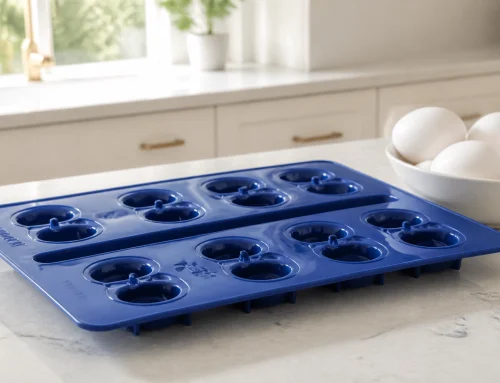
The Fix: Precision is your best friend. Instead of the unpredictable boiling method, utilize the Oeufware Bake Tray. Because our silicone egg mold allows you to cook whites and yolks separately, you can monitor the consistency with surgical accuracy. Bake at a low temperature to ensure the yolk remains bright yellow and creamy, eliminating the "sulfur shock" entirely.
2. Relying Solely on Mayonnaise
Standard mayonnaise is high in fat and can actually amplify the heavy, fatty notes of the egg yolk. While it provides creaminess, it offers very little in the way of flavor contrast. This leads to a one-note profile that feels heavy on the palate.
The Fix: Introduce Greek yogurt. By substituting half (or all) of your mayo with plain Greek yogurt, you add a refreshing tang. This acidity cuts through the yolk’s richness, resulting in a significantly milder flavor. It’s the perfect example of where functionality meets nutrition: yielding a high-protein, light-tasting filling.

3. Ignoring the Power of Acid
A strong yolk taste is often just a symptom of a lack of acidity. Without a bright element to break up the fat, the yolk dominates the bite.
The Fix: Balance your ratios. Incorporate high-quality apple cider vinegar, white wine vinegar, or fresh lemon juice. Start with a small amount: approximately one teaspoon for every six eggs: and adjust. The acid doesn't just "hide" the yolk; it elevates the entire profile, making the egg taste "cleaner" and more sophisticated.
4. Keeping Every Single Yolk
Most traditional recipes suggest using the yolks from every egg you boil. If you find the flavor too intense, you’re simply dealing with a yolk-heavy ratio.
The Fix: The "Discard and Dilute" method. For a batch of 12 deviled egg halves, use only 4 or 5 yolks in your filling. Fill the extra volume with healthy "masking" agents like mashed avocado or even a small amount of whipped silken tofu. This significantly lowers the intensity while maintaining a beautiful, pipeable volume.
5. Overlooking Texture Friction
Texture and flavor are inextricably linked. A dry, crumbly yolk feels more "eggy" because it clings to the tongue, forcing you to experience the flavor longer.
The Fix: Emulsion is the goal. For the most ethereal results, push your cooked yolks through a fine-mesh sieve before mixing. This breaks down the sulfurous clumps into a fine powder that incorporates seamlessly with your Greek yogurt or avocado. A smooth texture creates the illusion of a milder taste: an effortless win for your next hosting event.

6. Fearing the "Green" Alternative
Many home cooks stick to the yellow-on-yellow aesthetic, which reinforces the traditional yolk experience.
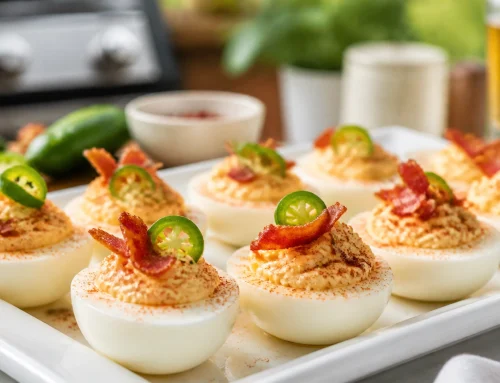
The Fix: The Avocado Swap. Avocado is a natural ally for those who find yolks too strong. It provides the same creamy, luxurious mouthfeel as a yolk but with a neutral, buttery finish. Mixing equal parts avocado and yolk creates a beautiful pastel filling that is visually stunning and incredibly mild. This is where your deviled egg tray presentation truly shines: especially when topped with a sprig of fresh dill or a slice of radish.
7. The Struggle of the Peel
It may seem unrelated, but the stress of peeling a traditional hard-boiled egg often leads to overcooking. People boil eggs longer just to ensure the shell "releases," but this extra time in the pot is what ruins the yolk flavor.
The Fix: Eliminate the shell entirely. The Oeufware Bake Tray is the world's first half-egg baking mold designed to provide easy peel eggs without the actual peeling. By cracking your eggs directly into our BPA-free, food-grade silicone mold, you bypass the shell-bonding process. You get perfect consistency every time: flat-bottomed eggs that stand upright on any deviled egg platter without the mess.

Redefining the Deviled Egg
The journey to the perfect appetizer shouldn't be a battle with sulfur and shells. By mastering these small adjustments: from precision baking in an egg cooker alternative to intelligent flavor masking: you can serve a deviled egg that is as light as it is flavorful.
Whether you are a busy parent looking for a no peel hard boiled egg hack or a creative home chef looking to wow a crowd, the right tools make the difference. The Oeufware Bake Tray isn't just a kitchen gadget; it's a commitment to efficiency and culinary quality.
Stop boiling. Start baking. Your palate: and your guests( will thank you.)




Leave A Comment