

Effortless meal prep is the cornerstone of a modern kitchen. When it comes to protein, the egg remains the undisputed champion. It is versatile. It is nutritious. It is essential. Yet, the method of preparation often dictates the quality of the result.
For decades, the stovetop boil was the only path. Now, the oven has entered the conversation. Deciding between hard boiled eggs in the oven versus boiling isn't just about heat: it's about reclaiming your time.
The Boiling Paradox: Tradition Meets Friction
The traditional method is familiar. You fill a pot. You wait for the bubbles. You set a timer. For many, this is the ritual of Sunday meal prep. But tradition often hides inefficiency.
Boiling is a hands-on process. You must monitor the water. You must manage the temperature to prevent cracking. Then comes the most significant friction point: the peel. We have all stood over a sink, losing half the egg white to a stubborn shell. It is messy. It is frustrating. It is a waste of quality ingredients.

The term "egg" finds its roots in the Old Norse egg, but our methods shouldn't be prehistoric. If you are prepping six eggs, a pot is fine. If you are prepping twenty, a pot is a bottleneck.
The Oven Method: Scale Meets Patience
The "hard-baked" egg was the first attempt at scaling production. By placing eggs in a muffin tin or on an oven rack, home cooks found they could prepare dozens at once.
- Hands-off. No watching the pot.
- Consistency. Even heat distribution.
- Scale. Cook as many as your oven can hold.
However, the oven method still leaves you with the shell. You still face the cooling bath. You still face the peeling. There is also the "brown spot" problem: where the egg touches the metal, a small, unappetizing mark often forms. It works, but it isn't perfect.
The Muffin Tin Shortcut: Close, But Not Correct
A muffin tin deserves credit. Many home cooks use it to bake eggs for deviled egg prep at scale. It is a practical workaround.
But it has one hard limit. A standard muffin tin cannot partition the raw egg white. Once the egg is cracked in, the white sets as one full cup around the yolk. The result is not a true deviled egg half. It is a deviled whole egg shape.
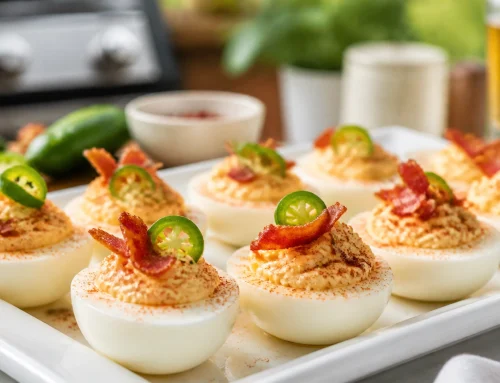
That distinction matters. Proper deviled eggs depend on a defined half-shell form. They need separation at the raw stage, not after baking. A muffin tin can bake eggs in volume. It cannot create the structure of a real baked deviled egg half.
The Oeufware Evolution: World's First Innovation
At Oeufware, we looked at the debate and saw a missing piece. Why are we still dealing with shells at all?
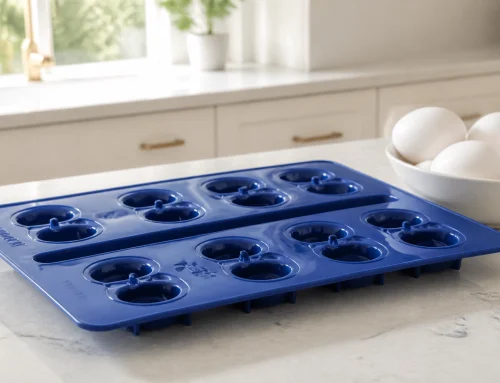
Functionality meets creativity with the Oeufware Bake Tray. It is the world’s first half-egg baking mold. More important, it is the only true solution for baked deviled eggs. Its patented mechanism partitions the raw egg white before baking, creating a real half-egg form that a muffin tin cannot replicate. We have bypassed the boiling, the cooling, and the peeling entirely. By cooking whites and yolks separately in a patented silicone mold, you achieve the perfect "hard boiled" result in the oven: without the shell.

This is where utility meets philosophy. Why follow a process that was designed before modern materials existed? Our BPA-free, food-grade silicone allows the egg to release perfectly every time.
Efficiency Meets Quality: A Comparison
When you compare hard boiled eggs in the oven vs boiling for meal prep, the metrics change when you introduce the Bake Tray.
| Feature | Stovetop Boiling | Traditional Oven Baking | Oeufware Bake Tray |
|---|---|---|---|
| Active Effort | High (Monitoring/Peeling) | Medium (Peeling) | Minimal (No Peeling) |
| Batch Size | Limited by pot size | Large | Large (Multiple Trays) |
| Consistency | Variable | Good | Perfect Every Time |
| Shell Mess | Extreme | High | None |
| Plating | Rounded/Rolling | Rounded/Rolling | Flat-bottomed/Stable |
The Bake Tray is not just a gadget: it is a system for the modern kitchen. Our recipes show that once you remove the shell from the equation, the egg becomes a canvas for culinary expression.
Faster and Easier: The User Experience
Imagine a Sunday morning. Instead of peeling twenty-four eggs for the week’s salads and snacks, you simply crack them into the mold. While the oven does the work, you are free to prep other ingredients.
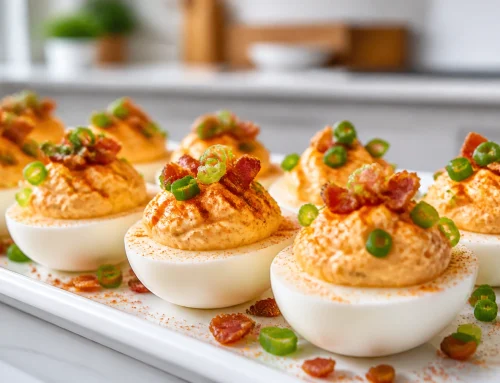
The result is a flat-bottomed egg. It stands upright on any plate. It requires no specialty platter. It is clean, professional, and ready for whatever garnish you choose. This is the intersection of efficiency and quality: the hallmark of the Oeufware experience.

Beyond the Snack: Versatility in Your Tray
The debate between boiling and baking often forgets versatility. A boiled egg is just a boiled egg. The Oeufware Bake Tray is a multi-tool.
- Egg Bites. Add peppers, cheese, and spinach.
- Desserts. Perfect for individual panna cottas or truffles.
- Herb Butters. Mold portions for elegant serving.
By choosing the oven method with our patented tray, you aren't just making eggs: you are optimizing your entire kitchen workflow. The flexible release technology ensures that whether you are making a simple snack or a gourmet deviled egg platter, the process is seamless.

The Verdict for Your Meal Prep
If you value speed and have a small batch, boiling is a legacy option. If you value scale, the traditional oven method is a step forward.
But if you value your time: and your sanity: the choice is clear. The Oeufware Bake Tray provides the benefits of the oven with the convenience of a shell-free process. It is faster. It is cleaner. It is the future of the kitchen.
Stop boiling. Stop peeling. Start baking.
Experience the difference at Oeufware.com.


[…] Fix: Precision is your best friend. Instead of the unpredictable boiling method, utilize the Oeufware Bake Tray. Because our silicone egg mold allows you to cook whites and yolks separately, you can monitor the […]