

The deviled egg is a culinary paradox: simple in its components, yet notoriously difficult to master. It is the centerpiece of the modern gathering, a bite-sized testament to the host’s attention to detail. However, for many home cooks, the journey from raw shell to polished platter is fraught with frustration.
From the Latin devill, meaning to season highly, the deviled egg demands respect. It is where functionality meets creativity. Yet, traditional methods often lead to rubbery whites, green yolks, and the inevitable "peeling panic."
It is time to elevate your kitchen game. Here are the seven most common mistakes you are making with your deviled eggs and the professional solutions to fix them forever.
1. The Chaos Of The Boiling Point
Most home cooks rely on the traditional boiling method. It is a process governed by variables you cannot control: water temperature, egg size, and the literal altitude of your kitchen. The result is often an inconsistent cook. Overcooked eggs develop a chalky texture and an unappetizing green ring around the yolk. Undercooked eggs are impossible to pipe.
The Fix: Precision Over Turbulence
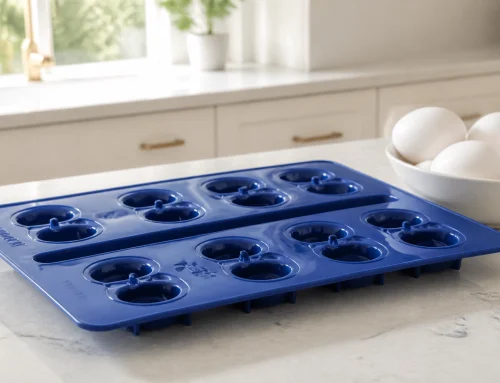
Stop boiling. The "world’s first" innovation in egg preparation: the Oeufware Bake Tray: replaces the chaos of boiling water with the precision of the oven. By baking your eggs without the shell, you achieve perfect consistency every single time. No more timers that fail or water that boils over.

2. The Peeling Panic
We have all been there: standing over a sink, picking away tiny shards of shell while the egg white tears into a ragged, pockmarked mess. Fresh eggs are delicious, but they are the enemy of a clean peel. The membrane sticks to the white, turning a five-minute task into a thirty-minute disaster.
The Fix: Eliminate The Shell Entirely
The most efficient way to peel an egg is to never have a shell to begin with. The Oeufware system allows you to crack eggs directly into a BPA-free, food-grade silicone mold. You skip the peeling process entirely. It is a faster, cleaner, and more sophisticated approach to meal prep. You save time: and your sanity.
3. The "Wobbly Egg" Syndrome
Traditional hard-boiled eggs are oval. When you cut them in half and place them on a standard plate, they slide, tilt, and dump their filling. Unless you own a specialized "egg platter" that collects dust 364 days a year, your presentation is at risk.
The Fix: The Flat-Bottom Advantage
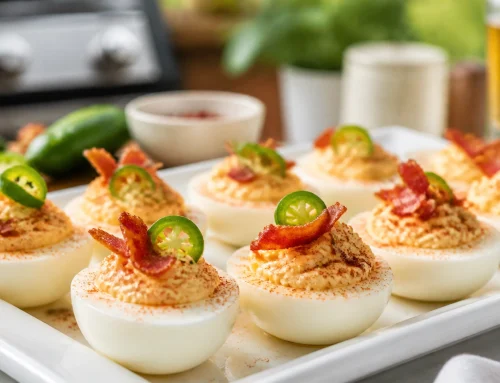
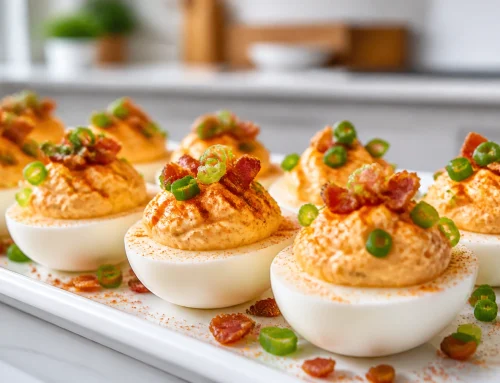
Functionality meets design with the patented flat-bottomed cavity. Eggs cooked in the Oeufware Bake Tray stand upright on any flat surface. Whether it is a marble slab or a simple ceramic plate, your deviled eggs will remain stable. It is a professional presentation made effortless.

4. The Lumpy Filling Mistake
A fork is a tool for eating, not for emulsifying. Mashing your yolks with a fork leaves small, dense lumps that clog piping tips and ruin the mouthfeel of the dish. A truly great deviled egg should have a filling as smooth as silk.
The Fix: The Sieve Method
For a professional-grade texture, push your cooked yolks through a fine-mesh sieve or a potato ricer. This aerates the yolk, creating a light, fluffy base. When you finally add your creamy elements, the mixture will be perfectly smooth and ready for an elegant pipe.
5. The Runny Filling Disaster
It is tempting to keep adding mayonnaise until the filling looks "creamy." However, there is a fine line between creamy and soupy. If your filling doesn't hold its shape, it won't stay in the egg.
The Fix: Incremental Integration
Start with half the mayonnaise your recipe calls for. Add your acids: vinegar or lemon juice: first. Then, slowly fold in your fat until you reach a "soft peak" consistency. Remember: you can always add more, but you can’t take it out. If you're looking for inspiration, check out our latest recipe collection for the perfect ratios.
6. Under-Seasoning The Soul
The egg white is a neutral vessel. If your filling is bland, the entire bite fails. Many cooks forget that cold food requires more aggressive seasoning than hot food to achieve the same flavor impact.
The Fix: The "Sacrifice" Bite
Always taste your filling with a piece of egg white before you begin piping. The white dilutes the salt and acid of the yolk mixture. Add a splash of white wine vinegar or a dash of dry mustard to brighten the flavors. A hit of heat: cayenne or hot sauce: provides the "devil" in the deviled egg.
7. The Messy Cleanup
Cooking should be about the result, not the recovery. Traditional egg prep involves pots, colanders, ice baths, and a counter covered in eggshells. It is a high-friction process that discourages frequent cooking.
The Fix: Dishwasher-Safe Sophistication
The modern kitchen demands efficiency. The Oeufware Bake Tray is dishwasher safe and replaces multiple pieces of equipment. From the oven to the table to the dishwasher: the process is seamless.

A New Standard For The Home Cook
The pursuit of the perfect deviled egg is no longer a matter of luck. By identifying these common pitfalls and adopting smarter tools, you transform a chore into a craft.
The Oeufware Bake Tray isn't just a kitchen gadget: it is an optimization of the cooking experience. It eliminates the mess, guarantees the result, and empowers you to create appetizers that look as good as they taste.
Ready to stop peeling and start plating? Explore the Oeufware Bake Tray today and see the difference a flat-bottomed egg can make.




Leave A Comment